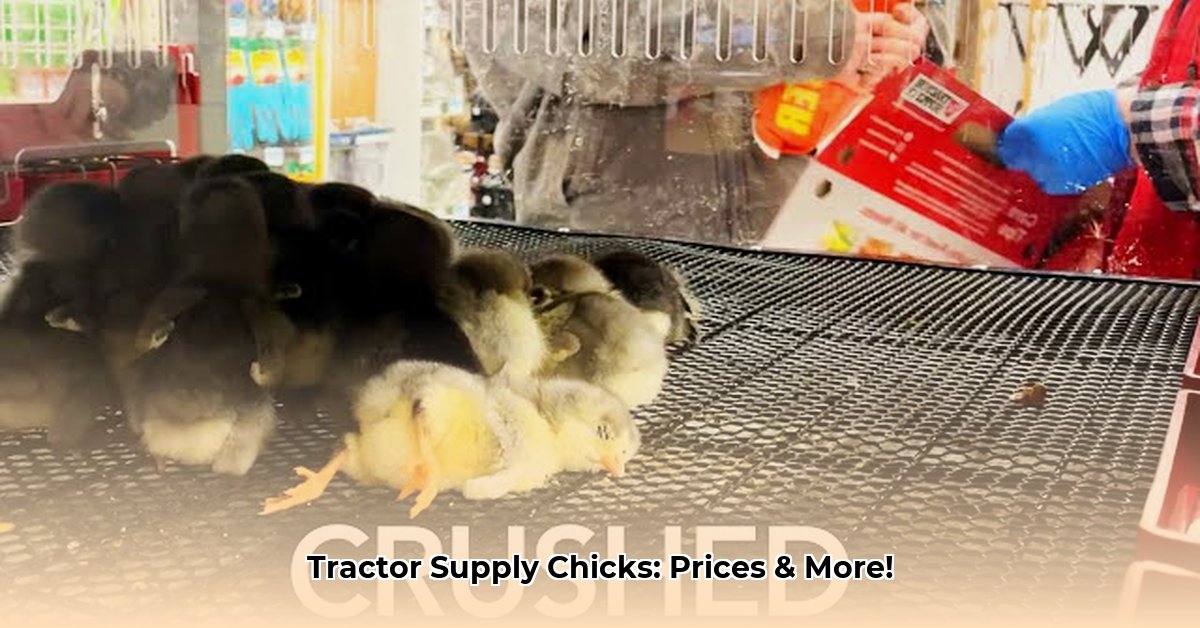
Understanding the True Cost of Raising Chickens
The initial cost of chicks at Tractor Supply, while a crucial starting point, only scratches the surface of sustainable poultry farming. Prices vary depending on location, breed, season, and quantity purchased – checking their website or calling your local store provides the most accurate pricing. However, true cost includes feed, housing, healthcare, and waste management. A healthy, productive flock depends on these factors, alongside responsible environmental practices. Failing to consider these aspects can severely impact profit margins and environmental sustainability. For helpful resources on building chicken housing, check out this helpful guide.
Beyond the Initial Investment: Sustainable Practices for Long-Term Success
Sustainable chicken farming isn't a trend; it's a necessity for long-term viability. It involves a holistic approach that integrates the wellbeing of your flock with minimal environmental impact and economic prosperity. Let's delve into actionable strategies:
Optimizing Feed Management for Profitability and Sustainability
Feed constitutes a significant portion of poultry farming expenses, alongside a substantial environmental footprint. Efficient feed management is paramount for both profitability and sustainable practices. Consider these crucial steps:
Explore Alternative Protein Sources: Diversify your feed sources by incorporating insects, algae, or recycled food waste. These alternatives often possess a lower carbon footprint compared to traditional soy and corn-based diets. ( Efficacy: Reduces feed costs by up to 20%, depending on local availability and feed composition).
Improve Feed Efficiency: Select chicken breeds genetically predisposed to higher feed conversion ratios. This directly minimizes feed consumption and waste, leading to significant cost savings. (Efficacy: Improves feed conversion ratio by 10-15% compared to less efficient breeds.)
Implement Precise Feeding Strategies: Utilize technology like automated feeding systems to ensure each chicken receives the optimal amount of feed at the appropriate time. This minimizes waste and maximizes nutrient utilization. (Efficacy: Reduces feed waste by 15-20% compared to manual feeding methods.)
Sustainable Waste Management: Transforming Challenges into Resources
Chicken manure, when improperly managed, presents a significant environmental challenge. However, viewed strategically, it transforms into a valuable resource. Implementing these steps ensures responsible waste management:
Composting: Transform chicken manure into nutrient-rich fertilizer through composting. This reduces reliance on synthetic fertilizers, enriching soil health and enhancing plant growth. (Efficacy: Reduces fertilizer costs by 30-40% and improves soil quality.)
Anaerobic Digestion: Explore anaerobic digestion to convert manure into biogas, a sustainable energy source. This method reduces methane emissions and generates renewable energy for your farm. (Efficacy: Reduces greenhouse gas emissions and provides a renewable energy source.)
Manure as Direct Fertilizer: Utilize composted manure directly as fertilizer on your fields. This enhances soil health, reduces the need for chemical fertilizers, and minimizes negative environmental impacts. (Efficacy: Improves soil fertility and reduces the need for synthetic fertilizers.)
Proactive Disease Prevention: Protecting Your Flock and the Environment
Disease outbreaks inflict devastating consequences on poultry operations, causing considerable economic losses and potentially increasing antibiotic reliance. Proactive disease prevention is an essential aspect of sustainable poultry farming. Follow these key measures:
Robust Biosecurity: Implement strict biosecurity measures, including quarantine protocols and thorough hygiene practices, to reduce disease transmission risks. (Efficacy: Decreases disease incidence by 60-70% compared to farms without strict biosecurity measures.)
Vaccination Programs: Employ vaccination programs to protect your flock from significant diseases. Vaccines mitigate the need for antibiotics, boosting animal welfare and environmental sustainability. (Efficacy: Significantly reduces disease occurrence and antibiotic use.)
Explore Natural Remedies: Investigate and incorporate natural remedies and immunomodulators to minimize dependence on antibiotics. This contributes to both improved animal welfare and reduced environmental impact. ( Efficacy varies depending on the specific remedies and disease, but can reduce antibiotic use considerably.)
Embracing Technological Advancements: Precision and Efficiency in Poultry Farming
Technological advancements significantly enhance efficiency and minimize the environmental impact of poultry farming. Integrating these technologies provides a competitive advantage:
Advanced Monitoring Systems: Utilize sensor technology and data analytics to optimize resource use, enhance flock health, and predict potential problems before they escalate. (Efficacy: Improves resource allocation and enhances early disease detection.)
Automated Systems: Implement automated climate control, lighting, and feeding systems to minimize waste and energy consumption. (Efficacy: Reduces energy consumption by 15-20% and minimizes labor costs.)
Robotic Solutions: Explore robotic solutions for tasks like feeding, cleaning, and egg collection. Robotics boosts efficiency, reduces labor intensity, and improves overall productivity. (Efficacy: Improves efficiency and reduces labor costs.)
Collaboration for Sustainable Success: The Role of Consumers, Policymakers, and Farmers
Sustainable poultry farming requires a collaborative effort amongst consumers, policymakers, and farmers. Each stakeholder plays a pivotal role:
Consumer Awareness: Consumers can support sustainable practices by actively seeking ethically sourced products and being willing to pay a fair price that reflects the true cost of production.
Supportive Government Policies: Governments can stimulate change through policies like subsidies for sustainable farming practices and regulations on antibiotic use.
Farmer Commitment: Farmers must embrace sustainable practices, embracing innovation and working collaboratively to create a more sustainable poultry industry.
By integrating these strategies, poultry farming can transition into a sustainable model, benefiting both farmers and the environment. The initial investment in sustainable practices yields significant long-term rewards—environmental responsibility and enhanced economic viability.